How Device Preferences Shape Bonus Timing Strategies Among Regulated Nordic Gaming Participants
Skriven av Theo Simon · 2026-11-03

How Device Preferences Shape Bonus Timing Strategies Among Regulated Nordic Gaming Participants
Device preferences among participants in regulated Nordic gaming markets continue to influence when and how bonuses get claimed, with data from multiple operators showing clear patterns tied to mobile, desktop, and tablet usage across Sweden, Norway, Denmark, and Finland. Regulated environments impose strict rules on bonus structures, and these constraints interact with user habits in ways that shift timing strategies throughout the day and week. Mobile devices dominate activity in these markets, yet desktop sessions often align with different bonus redemption windows according to transaction logs analyzed in recent industry reports.
Device Usage Patterns in Nordic Markets
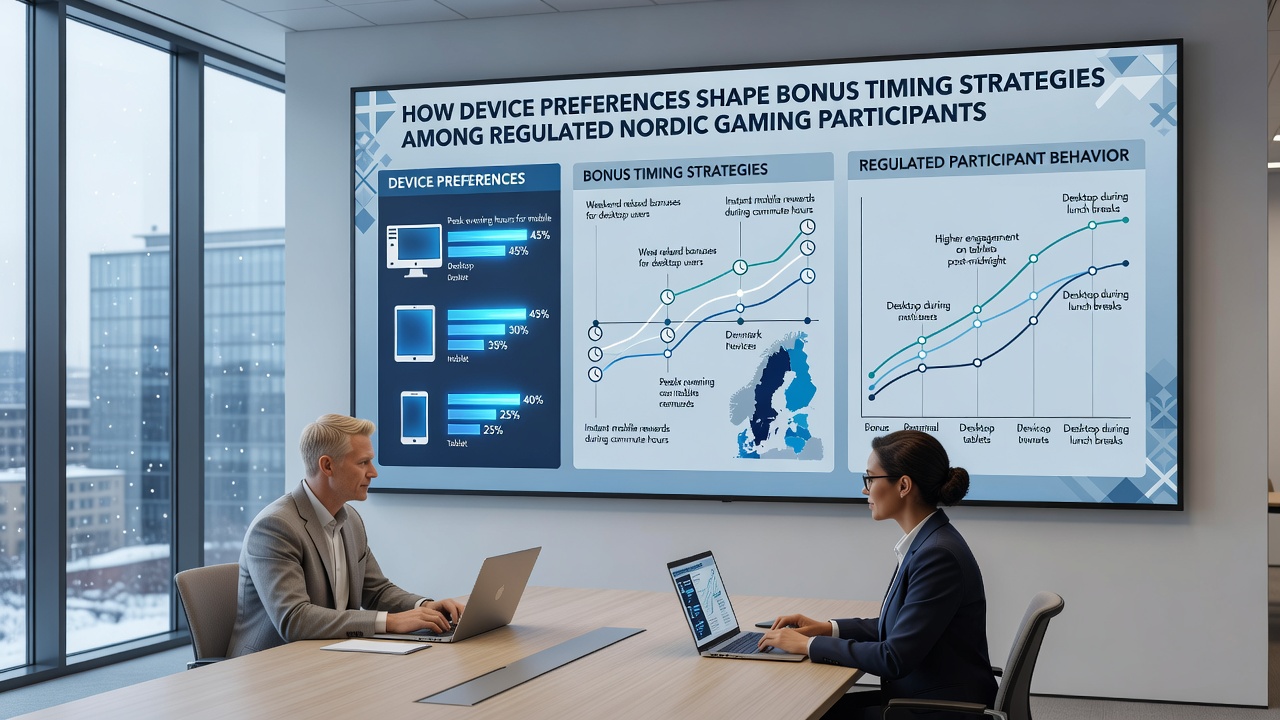
Studies of player behavior indicate that mobile access accounts for the majority of sessions in licensed Nordic platforms, while desktop remains relevant during daytime hours and tablets see steadier evening engagement. These patterns emerge because participants integrate gaming into existing routines, such as commuting on phones or handling longer sessions at home computers. Data collected across multiple operators reveal that mobile users tend to interact with time-limited bonuses during short windows in the late afternoon or early evening, whereas desktop participants often complete verification steps and claim offers during midday breaks.
One review of aggregated logs from 2024 through 2025 found mobile-driven bonus claims peaking between 17:00 and 21:00 local time in Sweden and Denmark, while desktop activity showed higher volumes between 10:00 and 14:00. Tablet usage, though smaller in volume, clustered around weekend mornings and produced steadier but lower-frequency redemptions. These differences matter because regulated markets require transparent bonus terms, and timing affects whether players meet wagering requirements before expiration.
Bonus Structures Under Nordic Regulation
Regulated Nordic frameworks limit bonus frequency and size, which forces operators to design offers that align with observed device rhythms rather than generic schedules. Swedish and Norwegian rules emphasize player protection through clear expiration periods and deposit match structures, prompting platforms to release mobile-optimized bonuses at times when users already show high engagement on phones. Danish and Finnish operators follow similar approaches, adjusting push notifications and in-app prompts to match the shorter session lengths typical of mobile traffic.
Evidence from operator compliance filings shows that campaigns tied to evening mobile peaks achieve higher completion rates for initial deposit bonuses compared with those scheduled for morning desktop traffic. This occurs because mobile sessions often involve quicker navigation through menus, while desktop users spend more time reviewing terms before committing funds. Analysts note that such timing adjustments help maintain adherence to national licensing conditions without increasing overall bonus exposure.
Timing Strategies Linked to Specific Devices
Operators have adjusted release schedules so that mobile-first bonuses appear during commuter hours, while desktop campaigns target lunch periods when longer sessions occur. Tablet users receive fewer but more extended offers, often tied to weekend promotions that match their steadier usage patterns. These strategies emerge from internal analytics that track not only device type but also session duration and the time between login and first deposit.
Research compiled by the Finnish Institute for Health and Welfare highlights how device-specific habits affect overall participation rates in licensed environments. When bonuses align with these habits, completion metrics improve because players encounter offers at moments when they already intend to engage. In contrast, misaligned timing leads to lower uptake even when the bonus value remains identical.
Additional findings from a 2025 industry report prepared by the European Gaming Association indicate that cross-device players frequently switch between mobile and desktop within the same day, which creates opportunities for operators to stagger bonus releases across platforms. For example, a player who checks offers on a phone during the morning commute may return on a desktop later to finalize a claim, provided the timing window accommodates both access points.
Impact of Upcoming Regulatory Updates
Changes scheduled for November 2026 in several Nordic jurisdictions are expected to introduce tighter controls on bonus expiration and notification frequency, which will further tie device data to compliance requirements. Operators are already testing segmented release schedules that account for mobile versus desktop session lengths to ensure players receive adequate time to meet new conditions. These preparations draw on existing datasets showing that mobile users complete requirements faster when offers arrive during established evening windows, while desktop participants benefit from midday releases that allow review time.
Observers tracking these developments note that the integration of device analytics into bonus planning helps maintain regulatory alignment while supporting player retention across different access methods. Patterns observed in current data suggest continued emphasis on mobile timing adjustments as the dominant channel expands.
Conclusion
Device preferences among regulated Nordic gaming participants directly shape when bonuses are presented and claimed, with mobile, desktop, and tablet habits producing distinct daily and weekly rhythms. Data from operator records and external analyses demonstrate that aligning release strategies with these patterns improves redemption outcomes under existing licensing rules. As November 2026 approaches and further regulatory refinements take effect, operators will likely refine these approaches using the same device-based insights that currently guide timing decisions across Sweden, Norway, Denmark, and Finland.