Navigating loyalty tiers and their impact on slot machine preferences in regulated Scandinavian wagering communities
Skriven av Sam Baumann · 2026-10-20
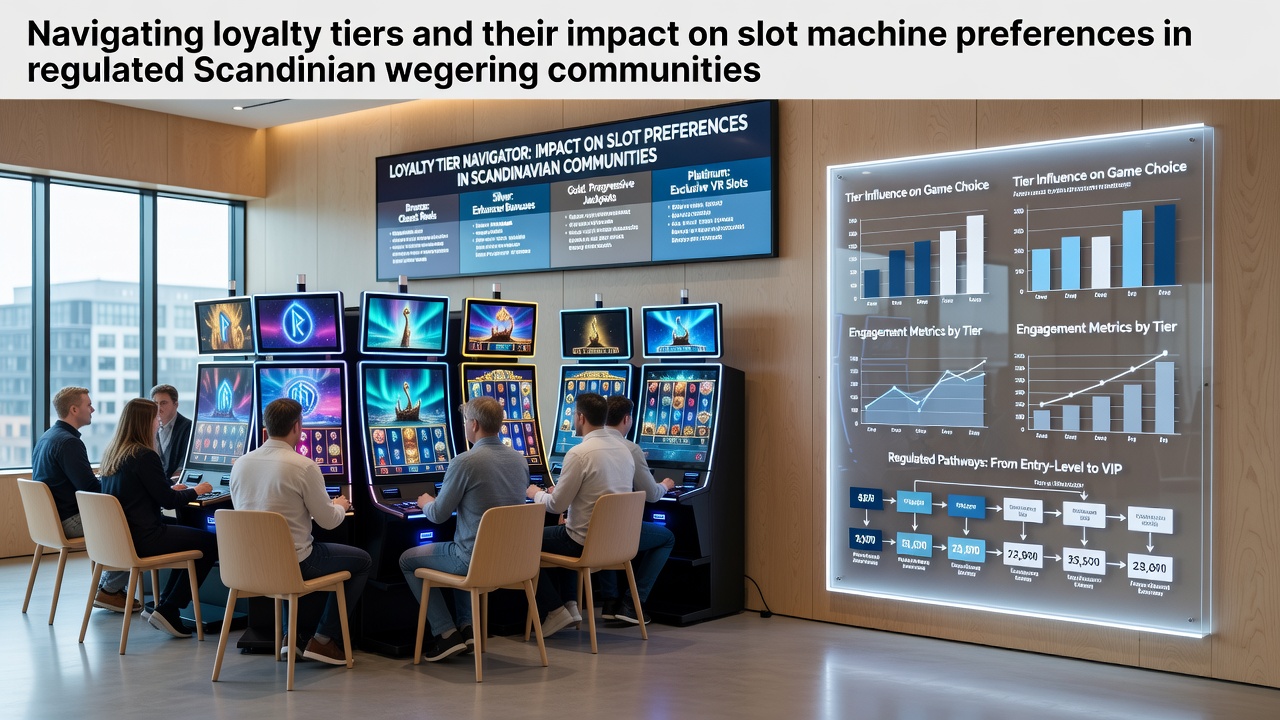
Navigating loyalty tiers and their impact on slot machine preferences in regulated Scandinavian wagering communities
Regulated markets across Scandinavia maintain structured loyalty programs that track player activity through point accumulation systems, and these frameworks shape how participants select slot machines over extended periods. Data from national licensing bodies shows that tier advancement often unlocks access to enhanced reward multipliers, free spin allocations, and personalized game recommendations that steer users toward specific titles with higher volatility or thematic alignments. Observers note that Swedish and Danish operators integrate these tiers with mandatory responsible gaming tools, creating measurable shifts in machine preferences as players climb levels.
Studies compiled by Nordic research institutions indicate that lower-tier participants gravitate toward classic three-reel and five-reel slots with straightforward bonus mechanics, while mid-tier members demonstrate increased engagement with progressive jackpot options and branded content. The pattern emerges because accumulated points translate into tangible benefits such as boosted return-to-player percentages during promotional windows or exclusive access to new releases, prompting behavioral adjustments documented in transaction logs from licensed platforms. In October 2026, upcoming compliance updates from regional authorities are expected to standardize tier disclosure requirements, which may further influence how communities evaluate slot options based on reward visibility.
Tier Structures Across Regulated Nordic Platforms
Swedish operators licensed under Spelinspektionen employ four to six tier levels that require consistent wagering volumes to progress, and similar systems operate in Norway through state-controlled channels and in Denmark via the Danish Gambling Authority. These structures award points proportionally to bet size and game type, with slots contributing at rates that differ from table games or sports wagers. Researchers at institutions tracking gambling behavior have recorded that players reaching higher tiers often adjust their slot selections to maximize point efficiency, favoring titles that deliver frequent smaller wins over high-variance options that might delay advancement.
Figures released by industry associations reveal that loyalty benefits at upper levels include cashback percentages ranging from five to fifteen percent on net losses, along with dedicated account managers who provide tailored slot suggestions. This integration creates documented preferences for machines featuring cluster pays or megaways mechanics among advanced members, as these formats align with reward structures that reward sustained play sessions. External data from the European Gaming and Betting Association highlights how cross-border comparisons show Scandinavian tier models emphasize transparency compared with less regulated environments.
Slot Machine Selection Patterns by Tier Level
Analysis of anonymized play data indicates that entry-level users spend the majority of their activity on low-stakes video slots with simple paylines, whereas those who have achieved mid-tier status shift toward games that incorporate loyalty-specific multipliers or bonus buy features. The transition occurs because point thresholds unlock game libraries that include higher RTP variants or exclusive content, and transaction records confirm increased session lengths on these titles. A report from the University of Oslo's gambling research unit documented similar patterns in Norwegian communities, where tier progression correlates with preferences for slots developed by providers that partner directly with loyalty program operators.
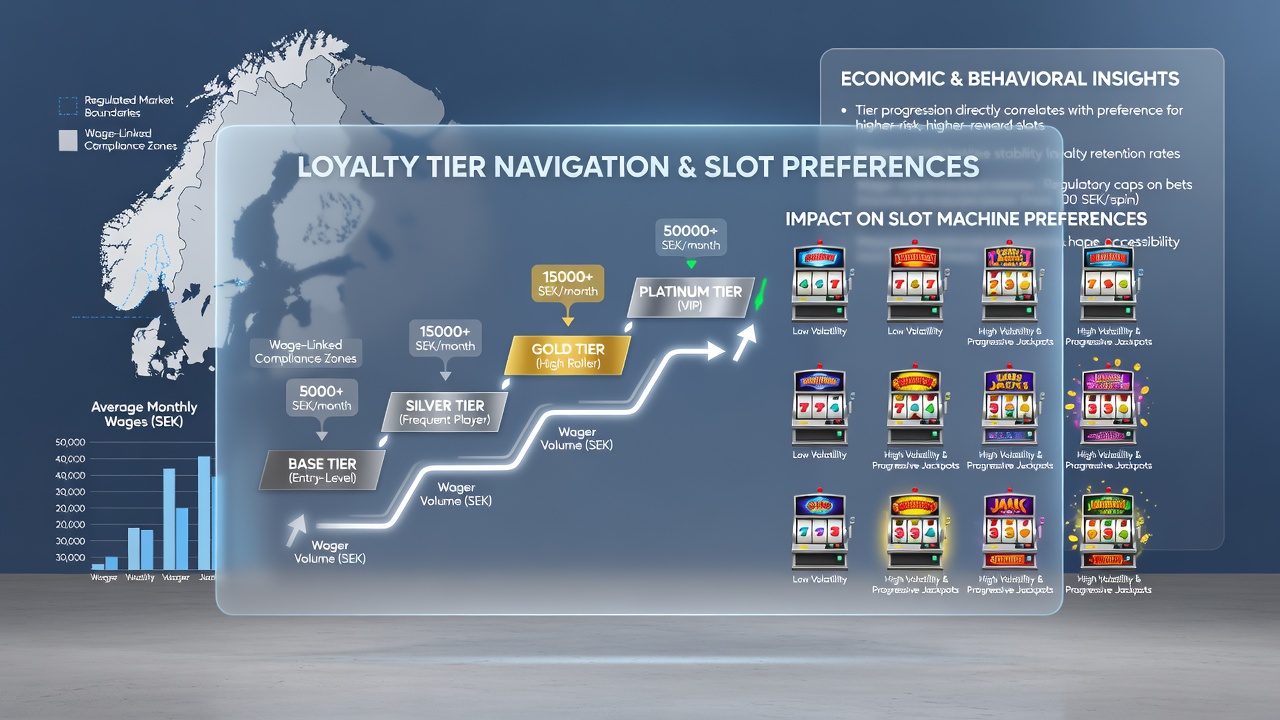
What's notable is the way advanced tiers incorporate seasonal promotions tied to specific slot releases, which data shows prompts temporary spikes in popularity for holiday-themed or event-linked machines. Players at these levels also receive notifications about new additions that carry enhanced point multipliers, leading to observable changes in menu navigation and selection sequences within regulated apps. Government statistics from the Danish Gambling Authority confirm that such targeted offerings maintain compliance with age and spending verification protocols while still guiding preferences.
Regulatory Influences on Tier-Driven Preferences
National regulations require operators to separate loyalty mechanics from core game fairness requirements, and this separation has produced measurable effects on how slot preferences evolve within communities. Participants must meet wagering thresholds that incorporate loss limits and reality checks, which in turn affects the pace at which tiers advance and the types of machines chosen to meet those thresholds efficiently. Academic papers examining 2025-2026 datasets note that these safeguards have led to higher engagement with slots that offer adjustable bet levels compatible with responsible play settings.
Industry reports further show that operators respond to regulatory scrutiny by adjusting reward visibility, ensuring that tier benefits appear alongside game information rather than as hidden incentives. This approach has resulted in community discussions around optimal paths for reaching preferred machines, with some users strategically selecting titles that accelerate point gains without exceeding established limits. The Swedish Gambling Authority publishes annual summaries that track these dynamics across licensed entities.
Conclusion
Evidence from multiple Nordic sources demonstrates that loyalty tiers function as structured navigation tools within regulated Scandinavian wagering environments, directly affecting slot machine choices through reward alignment and progression incentives. Transaction patterns, academic analyses, and regulatory filings collectively illustrate how participants adapt selections as they advance, while upcoming October 2026 updates promise additional standardization. Those who monitor these systems observe consistent correlations between tier status and preferred game features across Sweden, Denmark, and Norway.